
Guards Who Document, Deter, and De-Escalate
Unarmed Security Guard Services in Port Orchard for commercial properties, multifamily buildings, and event spaces that need licensed, uniformed coverage
Kitsap Security and Investigations has provided licensed, uniformed unarmed security guards in Port Orchard since 2013, covering day, night, weekend, and 24-hour shifts for properties that need a visible deterrent backed by structured incident documentation. Every guard on staff holds a valid Washington security guard license, which is a legal requirement in this state and a baseline quality indicator that not every vendor meets. Property managers who need consistent, reliable coverage without an armed presence rely on this combination of licensing, uniform visibility, and documented protocol.
Kitsap County's commercial corridors and multifamily developments have expanded significantly over the past decade, and many property owners now manage buildings where unauthorized access, trespassing, or disruptive behavior creates liability exposure. The guard deployment process at Kitsap Security and Investigations starts with understanding the property layout and the specific concerns the owner or manager has identified, then scheduling coverage that matches the actual risk window—whether that is a single overnight shift, a weekend rotation, or continuous 24-hour presence. Guards are stationed in uniform to maintain visible deterrent effect, conduct patrols as assigned, and address suspicious activity through respectful verbal direction before any law enforcement contact is considered.
Arrange a site consultation to review your property's coverage needs and discuss the right shift structure for your situation.
How Unarmed Guard Coverage Actually Functions on Your Property
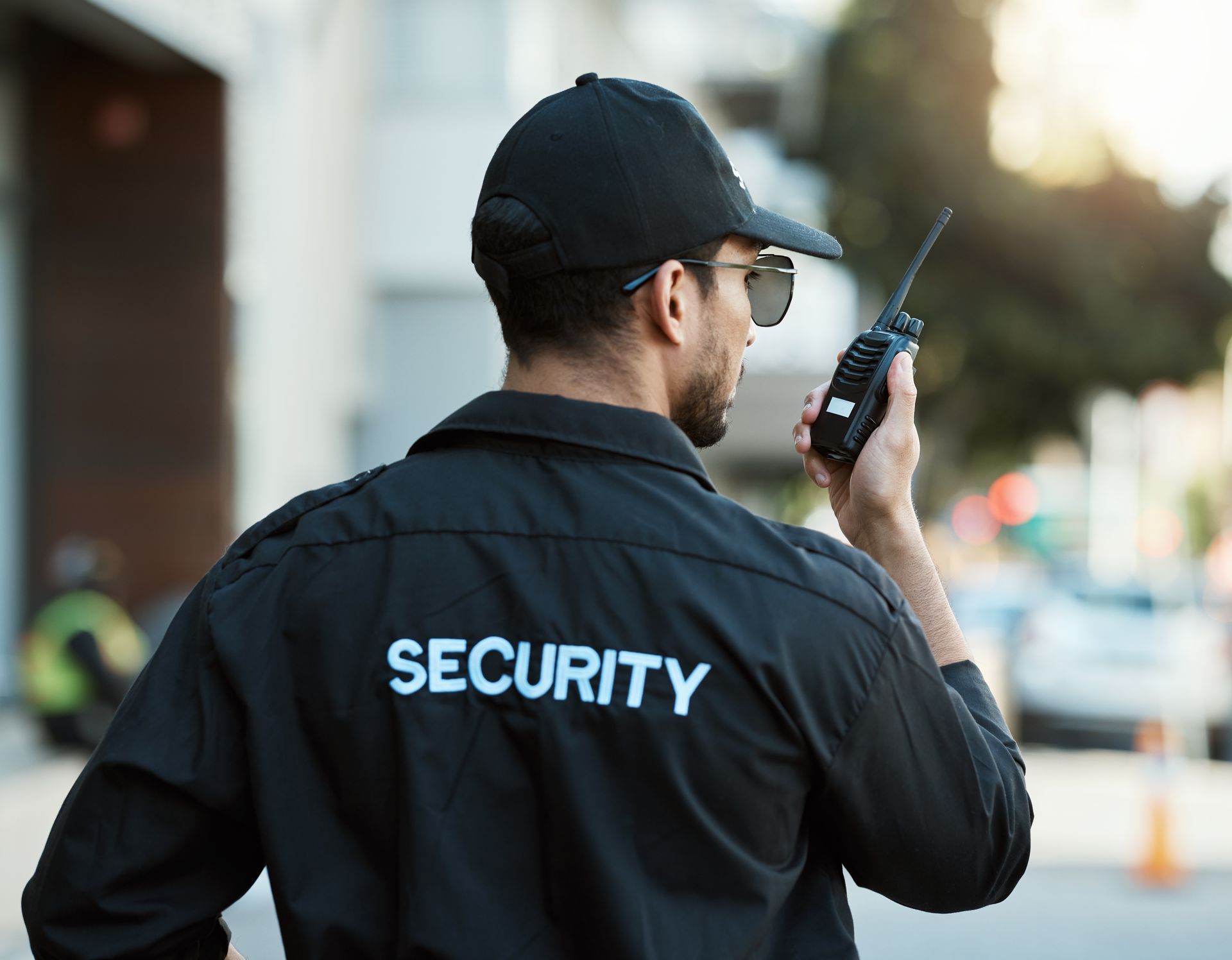
The distinction between a visible guard presence and passive surveillance is meaningful: a uniformed guard positioned or patrolling at a property changes behavior before incidents develop. At Kitsap Security and Investigations, guards are trained in de-escalation, which means the first response to a suspicious individual or a developing conflict is calm, respectful verbal direction rather than immediate police contact. Police are called when an incident is serious, requires law enforcement authority, or cannot be safely managed through verbal engagement alone. Every interaction, regardless of outcome, is documented in writing.
That written documentation is what property managers often find most valuable after a guard shift ends. When a trespassing incident or altercation needs to be reported to a landlord, an insurance carrier, or law enforcement after the fact, a clear written record of what occurred, when it occurred, and how it was handled is the evidence that supports that report. You will receive documentation of any notable incident that took place during the covered shift, giving you a factual account rather than a verbal summary.
Coverage flexibility matters for properties that do not fit a standard Monday-through-Friday schedule. Event spaces, retail centers, and multifamily buildings often need guards on weekends, holidays, or during high-traffic periods when the risk profile changes. Shift scheduling is designed to match those actual patterns rather than defaulting to fixed blocks that leave gaps during the hours when problems are most likely to occur.
Questions About How Unarmed Guard Coverage Works
Property owners and managers considering unarmed guard services for the first time often have detailed questions about how guards operate on site, how incidents are handled, and what licensing requirements actually mean in practice. The following covers the most common questions about how this service is performed.
What does a Washington security guard license require, and why does it matter for your property?
Washington requires guards to complete state-approved training, pass a background check, and maintain a current license issued by the Washington State Department of Licensing. When a licensed guard is on your property, you have a documented record that the individual met a defined legal standard before ever working a shift.
How do guards handle a situation where someone refuses to leave the property?
Guards are trained to use calm, respectful verbal direction first, making clear that the individual needs to leave and why. If the person does not comply and the situation becomes unsafe or requires legal authority to resolve, the guard contacts law enforcement rather than escalating physically.
What gets recorded in the written incident documentation after a shift?
Documentation covers the time, location, nature of the activity observed, the guard's verbal response, the outcome, and whether police were contacted. You receive this in writing so the record is accurate and usable if the incident requires follow-up action.
How does the guard deployment process account for properties in Port Orchard with multiple access points or large footprints?
During the initial consultation, the property layout, access points, and the specific problem areas the owner has identified are reviewed so that patrol routes and post positions reflect where the actual risk is concentrated rather than where coverage is simply easiest to provide.
What is the difference between a posted guard and a patrol assignment, and which one fits most properties?
A posted guard maintains a fixed position, typically at an entrance or a high-traffic control point, while a patrol assignment involves moving through the property on a defined route. Many commercial and multifamily properties use a combination, with a primary post and scheduled patrols of the surrounding area during the shift.
Kitsap Security and Investigations also provides unarmed security guard services in Bremerton, Silverdale, Poulsbo, Gig Harbor, and Bainbridge Island. To discuss coverage options for your specific property or event, contact Kitsap Security and Investigations directly at (360) 731-8966 and describe the situation you need addressed.